

Birds
Additional information
For its size, good numbers of wildfowl occur here and, in the summer, these are augmented by a naturalised flock of Barnacle Geese, which breed in considerable numbers and have now spread to breed in nearby sites. In the winter, most of these birds ‘migrate’ to Willington and seem to number around 400. Colour ringing at Roxton has revealed some more extensive movements to neighbouring counties. This self-sustaining population, alongside populations in Norfolk and Suffolk, has resulted in this species being added to the UK list under the category C2.
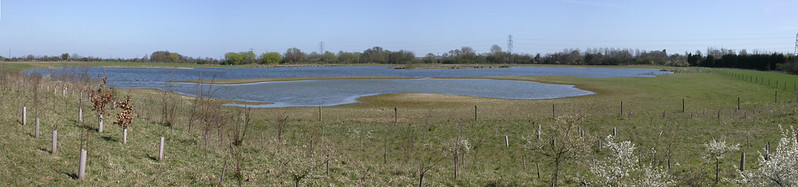
The pit has two islands. The island in the north east corner is relatively clear of vegetation and can hold nesting Common Terns and a few Barnacle Geese. Oystercatchers also breed here regularly.
Surrounding farmland and hedges support the expected species; Yellowhammer, Bullfinch and warblers. The village itself has nesting Spotted Flycatchers in the churchyard. The oldest (southernmost) pit is also fished, but is surprisingly devoid of birds. That said, two of the site’s best records have come from here – Great White Egret and Great Northern Diver. Cross the river at Roxton lock (great for Grey Wagtail, Kingfisher and Goosander in winter) from the footpath through the farmyard at the north side of Tempsford village or by the longer walk along the river from the end of Ford Lane and around the garden of Lock Keeper’s Cottage.
May 2016